
Why colonize Antarctica?
where there is a why, we can overcome any how.

The question of Polar colonization is simple: why? Why should governments dedicate billions (or even trillions) of dollars to building Polar cities?
As Gavin Newsom said, quoting Nietzsche, where there is a sufficient why, we can overcome any how.
If the Earth is vulnerable to an asteroid or nuclear apocalypse, it would be good to spread life to other planets.1 In preparation for this task, we must first colonize the harshest regions of our own planet. If we haven’t mastered this planet, we will fail the more difficult task of colonizing other ones. Our goal is to first pick the lowest hanging fruit possible, with the largest return on investment.
The two vast and uninhabited regions which remain to be colonized are the Polar regions, and the oceans. Before dedicating the rest of this essay to Polar colonization, I will first discuss oceanic colonization.
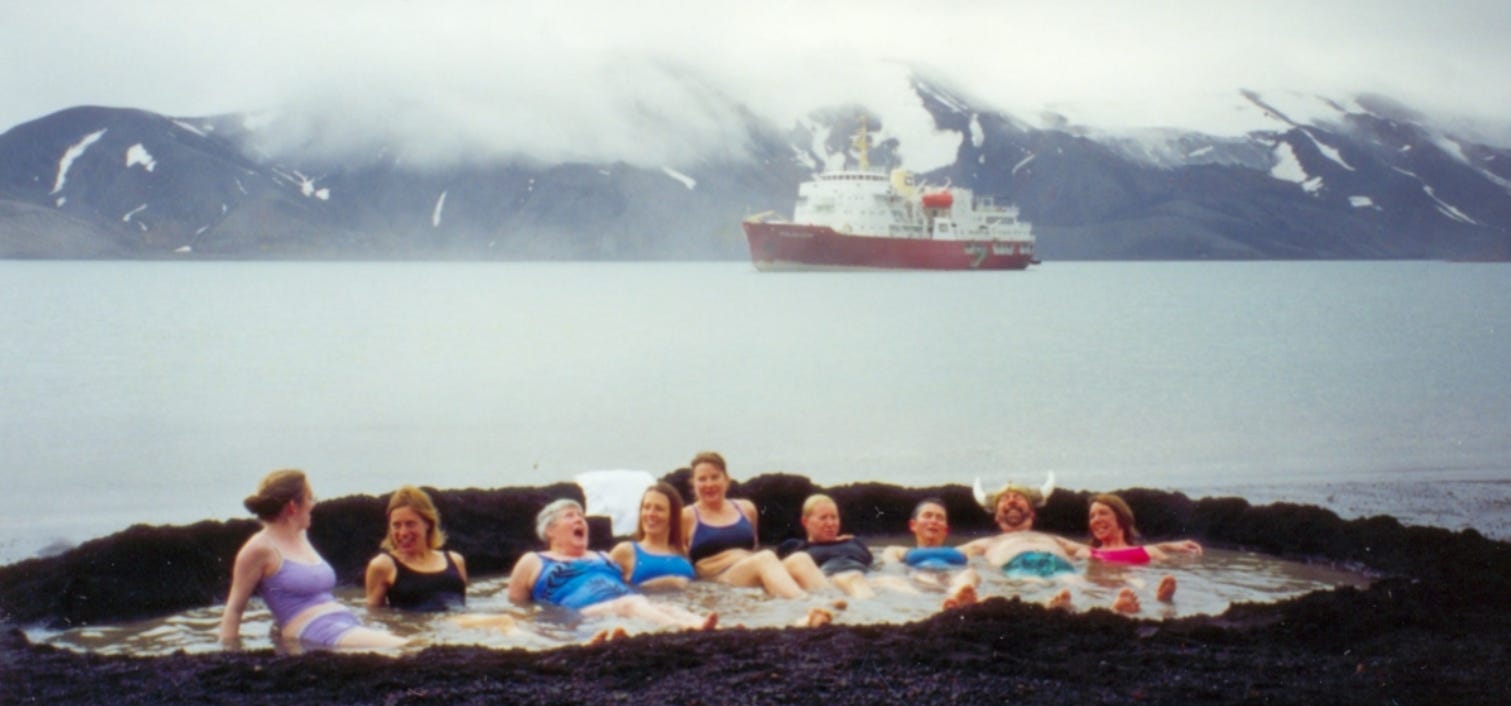
Oceanic Colonization
75% of the planet is covered in water. There are four ways to colonize the oceans:
Lower sea levels by cooling the Earth.
Build artificial islands or reclaim land with dams.
Build seafloor cities.
Build floating cities.
Big Freeze
Global cooling would increase land area by darkening the skies2 and freezing the oceans. At the same time, darkening the atmosphere would cause crop failures, which would create a problem of coordination.
If one country begins seeding the atmosphere with particulates, would this gain the consent of other countries? Is every country going to benefit equally from lowering sea levels?
Agriculturally productive states like Russia and Ukraine would oppose this. Even if the problem of coordination were solved, what would make up for the lost crop yields?3
Artificial Land
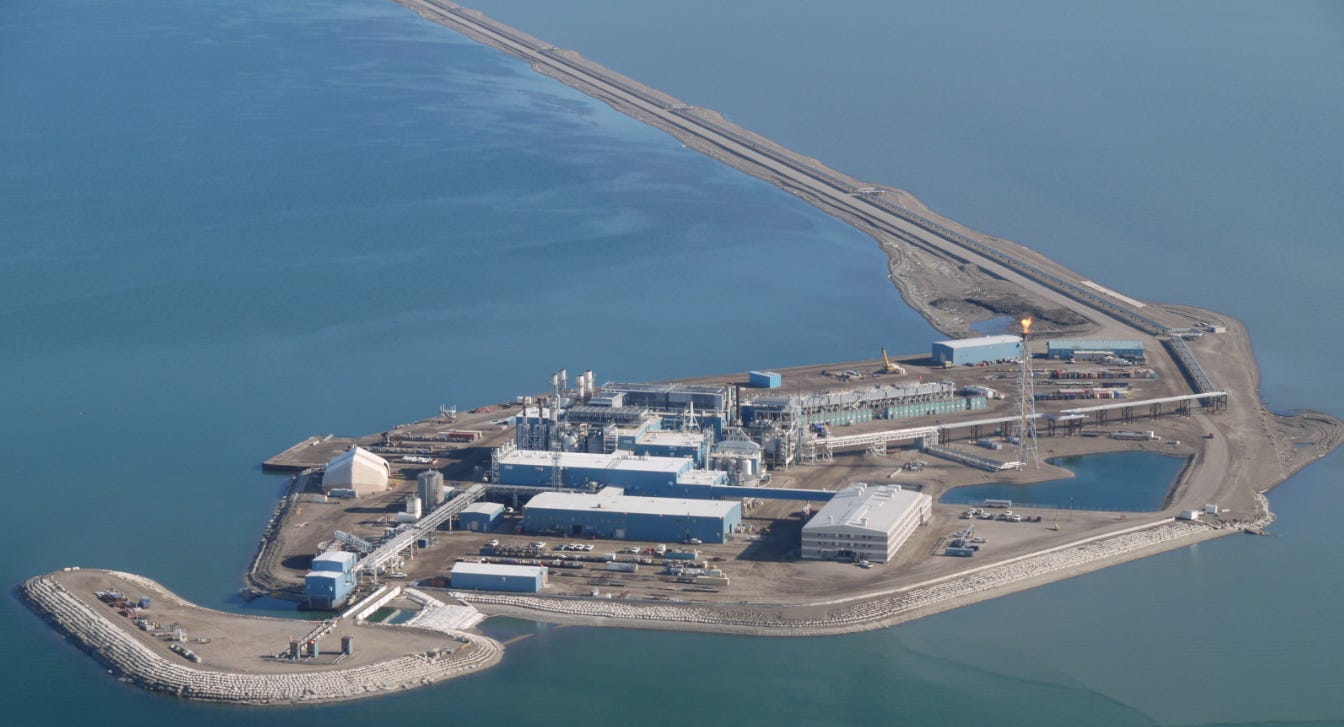
Building artificial islands is expensive ($5 million per acre, excluding the cost of facilities), but is already occurring in Alaska, the Gulf states, and the South China Sea. The Dutch have been raising land from the water for hundreds of years, using a system of dams and levees to enlarge their country. The modern purpose of artificial islands is to support oil drilling, to gain political control in contested waters, or for luxury tourism.
Artificial islands are built by heaping sand and concrete upon shallow continental shelves. Rockall Island,4 for example, could be expanded as a potential British naval base.
Seafloor Cities
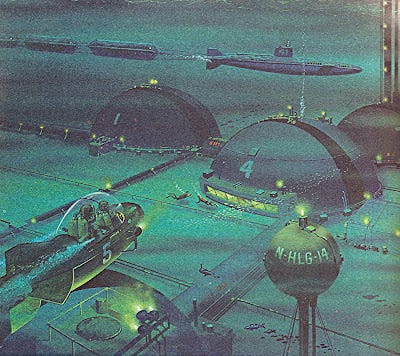
Seafloor colonization imagines domes resting on the ocean floor. Such cities are imagined in the Mahabharata as the realm of the Naga. In reality, such domes must resist extreme pressure and earthquakes. If a single crack formed, it could lead to a catastrophic destruction of the entire city.
To solve this, we could split up the city into smaller piecemeal compartments. Instead of having one giant dome with skyscrapers within it, we could have smaller house-sized domes, resting on the ocean floor, interconnected by a series of tunnels. But if each house is its own independent dome, why limit our construction to the horizontal plane of the ocean floor? Why not also colonize *vertically,* with floating houses?
Floating Cities
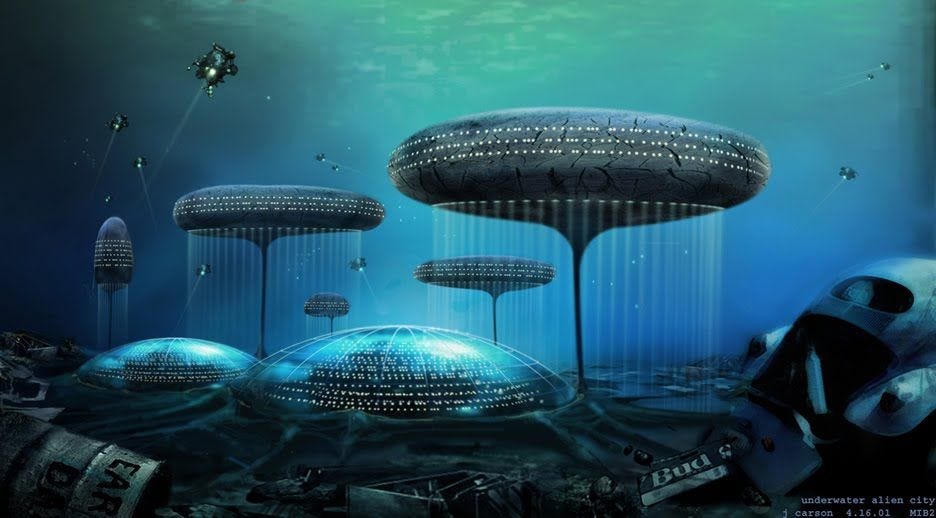
Floating cities must be protected against storms and waves, which are less destructive than the extreme pressure and seismic activity of the ocean floor. Roko has explained how floating cities could be built on artificial icebergs, continually kept cool by giant refrigerators.
Roko’s floating ice cities would be cheaper to keep frozen when located closer to the poles. But why build artificially produced icebergs, when instead, we could simply build on existing ice, in the Polar regions?
Against Seasteading
I interviewed a proponent of seasteading last year, but the concept is more poetry than practicality. Seasteading is a libertarian fetish which promises sovereignty outside of existing states.
Modern economies depend on trade (access to human capital and natural resources). Even if a few dozen people could permanently inhabit an oil platform, any government could impose its will by sanctioning trade and starving it out. It is not possible to construct anything meaningful outside of existing states.
Global Warming.
Polar climates are defined as “places too cold for forests,” where the summertime temperature never exceeds 50 degrees. Polar climates cover 20% of the Earth’s surface, and are concentrated in Canada, Alaska, Greenland, and Antarctica.
Most of Siberia doesn’t have a Polar climate, but a Tundra climate. Temperatures exceed 50 degrees in the summertime, allowing vast forests to grow, which Polar climates lack.
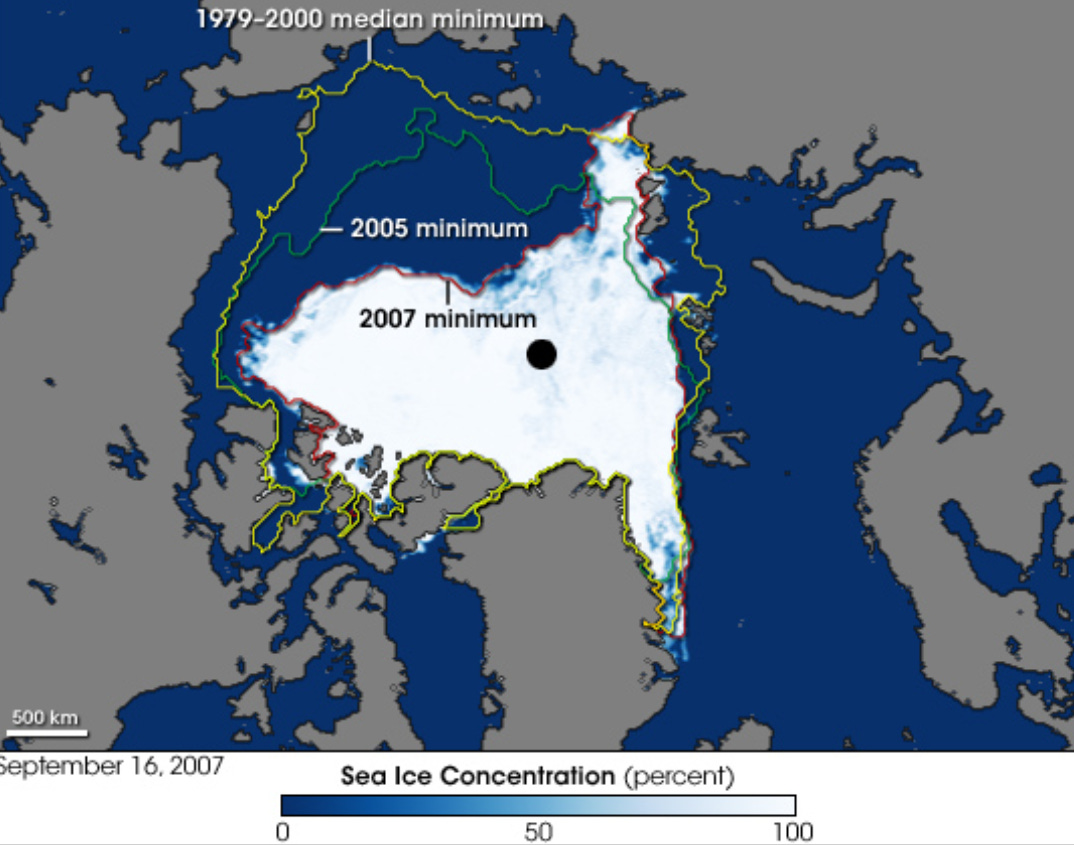
With global warming, Polar construction becomes an investment in appreciating real estate. Polar cities will benefit from increased economic and military activity as sea ice melts and shipping lanes open. Countries which invest in Polar construction will be better positioned to dominate these regions as they become more important.
Global warming will have a more dramatic effect in the northern hemisphere than the southern hemisphere. This is because the north pole contains more land, while outside of Antarctica, the south pole has more water.
Was Trump right on Greenland?
Trump’s plan to acquire Greenland was propagandistic and self-defeating. His goal is to create a spectacle to entertain “the base.” If the goal were to actually build NATO cities in Greenland, Trump could have accomplished this with liberal internationalism:
Join the Schengen Zone.
Pressure Greenland to join the Schengen Zone.
Pay Greenland to allow America to build more bases.
If (at some point) the sovereignty of these bases was threatened, America could seize control of the territory.
Liberal internationalism accomplishes real strategic goals, without fanfare or jingoism. But Trump does not desire practical results: he wants to excite his audience and sell TrumpCoin, TrumpBibles, and TrumpHats, and generate more likes and clicks for his downstream channels. In making a brash, arrogant, counter-productive spectacle, he alienated European and Greenlandic governments.
Words gain connotations which prevent critical thinking. If I propose Greenlandic colonization, I am considered a Trump supporter, with all that this entails (ostentatious unilateralism, boastful threats). Polar colonization lacks semantic saturation. It is linguistically “virgin” and uncolonized by Trump’s rhetorical poison.
Bad Reasons for Arctic Colonization:
Polar colonization isn’t Lebensraum. We don’t need “more space” for humans to live.
Lebensraum predates Nazism (see Karl Haushofer and the Ludendorff Plan) and is focused on agriculturally productive land. The Germans wanted to colonize Ukraine because it was fruitful and had a relatively low native population. They were less attracted to the idea of colonizing France, because it had a dense existing population and less productive land.
Lebensraum was motivated by competition with colonial empires, whose expanded territories gave them access to resources. This desire was accentuated by WWI, when the Germans were starved for resources due to the British blockade.
After the Germans surrendered, the British continued a punitive blockade for another 12 months, leading to the starvation of one million German civilians. German nationalists considered the acquisition of Lebensraum in Poland and Ukraine to be a matter of existential importance.
Polar colonization would not be an efficient means of expanding living space, since it is easier and cheaper to increase urban density elsewhere. If the goal is to obtain more energy, it would also be cheaper to invest in controlling non-Polar regions.
Economic activity does not require colonization. Resources can be extracted without establishing cities.
America could invest more in Saudi Arabia, by increasing military funding, cross-cultural interaction, and political treaties. America could invade Venezuela and seize the oil there. If the goal is to gain control over natural resources, Polar colonization is not efficient.
Good Reasons for Arctic Colonization:
Global wars are won by the ability to move men and material — logistics. Polar colonization is part of a global geopolitical chess game: it strengthens logistical supply chains and projects military power.
In the islands of the Pacific, the United States controls strategic outposts for refueling ships. These islands contain no natural resources. But for the purpose of exercising political and military control, it is advantageous to colonize.
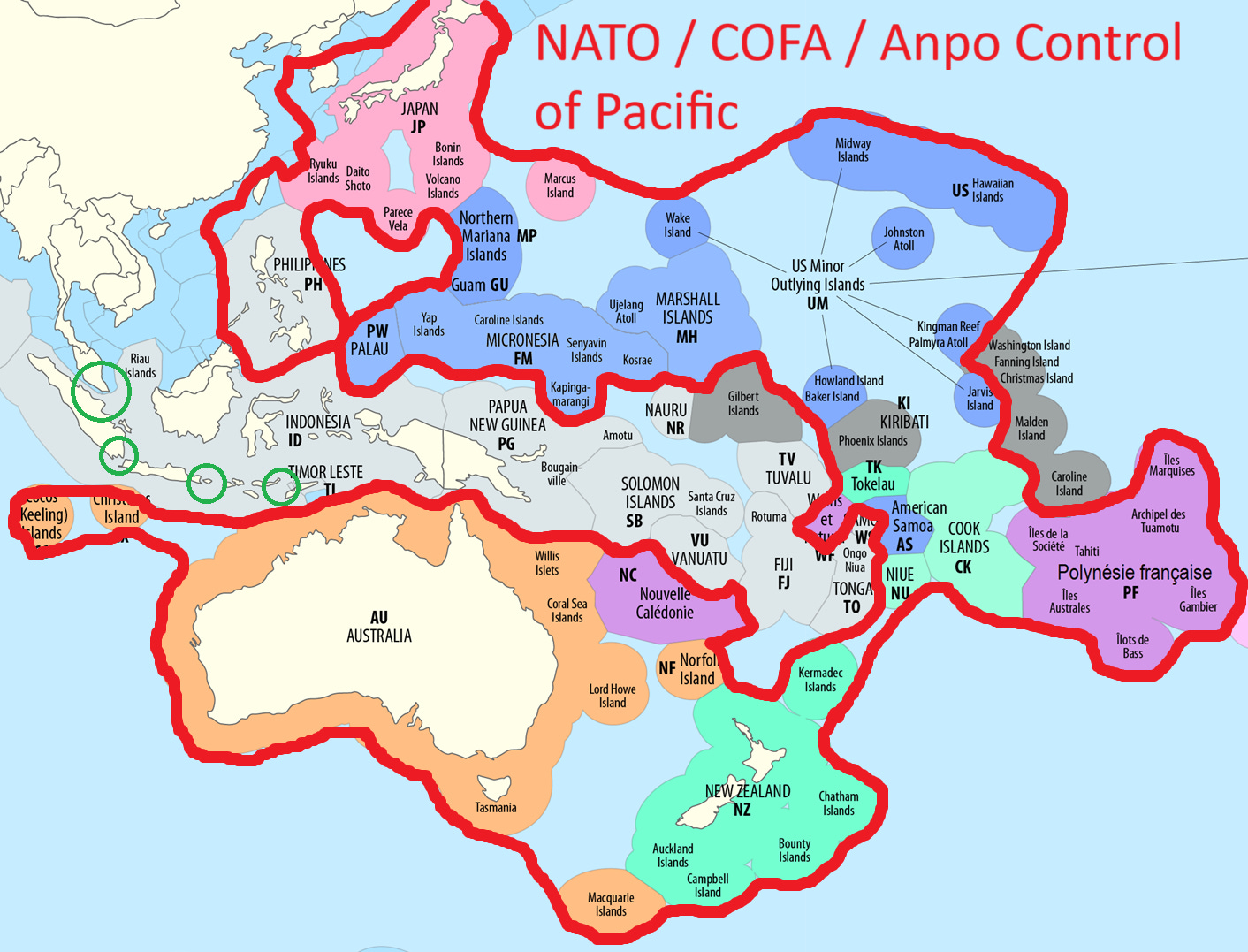
If the United States never colonized Hawaii, for example, the Japanese could have attempted a diplomatic arrangement with the native Hawaiians to displace America in exchange for a resurrection of the monarchy. Because Hawaii was filled with white Americans, the Japanese could not contemplate such a scheme.
By building Polar colonies, the state increases regional influence. Civilian infrastructure (during times of war) can be repurposed for military applications.
The Global Chessboard.
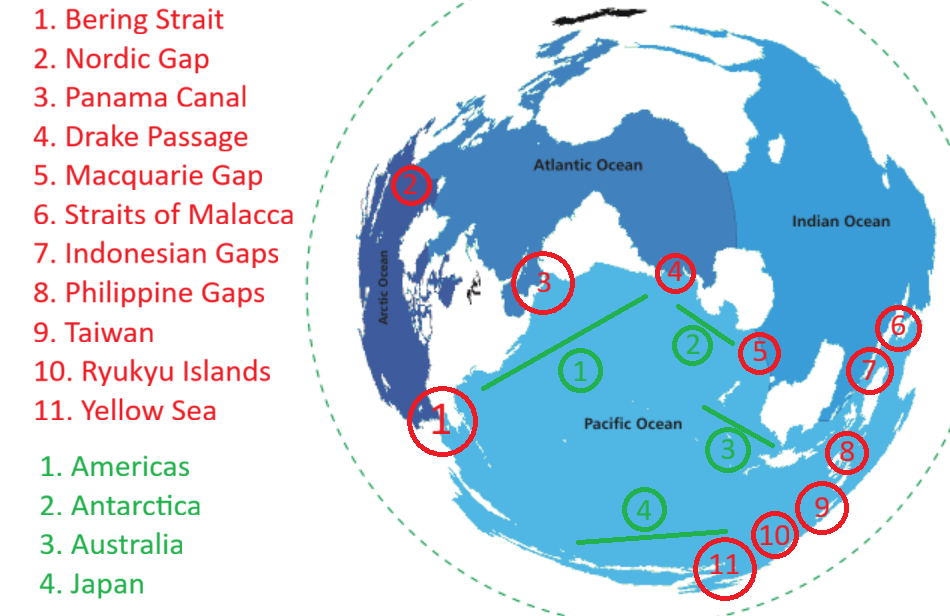
In a naval war between the People’s Republic of China (PRC) and America, the goal of America would be to limit Chinese activity to the Pacific, while the PRC’s goal would be to break out and operate within the Indian and Atlantic Oceans. There are 11 naval passages and 4 land passages which enable or obstruct the Chinese breakout.
11 Naval Passages.
To blockade the entire Pacific Ocean, the United States must control 11 naval passages:
