
Hard Times Make Strong Feminists.
Wealth and gender.

Conservatives think of feminism as a “luxury belief.” Feminism is a product of a rich and decadent society. When the chickens come home to roost, hyperinflation begins, Bretton-Woods fails, the economy collapses, civil war begins, and times get tough… At last, feminism will be thrown out the window, and every man will once again be king of his own castle!

This is part of the “pendulum theory” of conservative thinking. For conservatives, history is a pendulum swinging back and forth. The farther it swings to the left, the farther it must swing back to the right. Sexual liberation, transsexuality, and gender equality are all hard swings to the left. Inevitably, nature will “balance out,” and return to tradition. The inflection point will come when the money runs out. When millions of hungry zombies roam the streets, women will come crying back to men, and respect them once again.
The problem with this theory is that economic contractions, including wars, famine, and the Great Depression all promoted feminism. The relationship between poverty and feminism is obscured because populations experiencing third world poverty tend to be more “sexist” by western standards. However, the relationship between “sexism” and “poverty” is not one dimensional or linear.
bourgeois patriarchy
The conservative version of history imagines that primitive societies were based on a strong nuclear family, private property, the right to bear arms, the free market, and freedom of speech.
This vision is an inversion of history, outside of an extremely narrow and myopic view.
It is true that in 1950, these elements of patriarchal society were well entrenched in the American middle class, to the point that they could be called the “American tradition.” Two centuries prior, the founding fathers promoted these rights as inherent to the “freedom of the Anglo-Saxon people.” Since “all men are created equal, and endowed by their creator with inalienable rights,” surely the founders expected that every man was entitled to the respect of his wife?
Yet despite the universalistic language of the founding, the American legal order was not universalistic. Men who did not own land were not entitled to vote; blacks were not entitled to vote; illiterate people were not entitled to vote. In the early 20th century, eugenic laws were passed to forcibly sterilize criminals, the mentally slow, and the insane.
Just as voting rights were not universal in 1776, neither was the patriarchy. The theme of cuckoldry features prominently between Anselmo and Lothario in Don Quixote (1605). The name “Lothario” then inspired a number of plays on cuckoldry. Lothario makes an appearance in The Fair Penitent (1702) by Nickolas Rowe, a play based on The Fatal Dowry (1632) by Philip Massinger and Nathan Field.
The theme of cuckoldry reaches its height in Così fan tutte (1790), an opera by Mozart. In this opera, two friends double-cuck one another, and end up wife-swapping at the end. These are not exactly the values of Victorian England.
The reactionary backlash of the 19th century against the libertine aristocratic sexuality of the 17th and 18th centuries was fueled in a large part by mass literacy and Protestantism, culminating in Napoleon’s creation of the first truly national army. Napoleon’s army was the largest army in world history. He accomplished this through mass conscription and nationalization of the military, the resurrection of the Roman concept of the citizen-soldier.
Unlike the aristocracy, Napoleon’s citizen-soldier balked at the degeneracy of the opera. The association between aristocracy and sexual liberation was not invented by the peasantry, but was already promoted by the aforementioned opera. In each case, again and again, the foppish dandies of the aristocracy are subverted by sexual license. Why were these accusations, on the basis of class, so prominent for centuries?
When Machiavelli wrote The Prince in 1513, Europe’s aristocracy had abnegated its military duties. Richard III was the last English king to die in battle in 1485. In military terms, the Renaissance in the 15th century was a transition period between aristocratic armies and mercenary armies. Whereas in the 1300s, kings regularly appeared on the battlefield, by the 1500s, they were more focused on how best to tax the population in order to fuel the economics of warfare.
Personal loyalty, chivalry, and athletic fitness were necessities for medieval kings. The transition from medieval to Renaissance Europe saw a decline in their physical prowess. Extremely fat aristocrats; sickly and ill aristocrats; or effeminate and weak aristocrats cannot survive the conditions of war. So long as the aristocracy was forced onto the battlefield, the aristocracy maintained its ancient1 commitment to physical strength.
With the absence of the aristocracy from the battlefield, the 16th and 17th century saw an explosion of comedies lampooning their growing frivolity and uselessness. This self-parody, which was marketed to the aristocracy and enjoyed ironically, culminated in Rococo, the ultimate expression of dandyism.
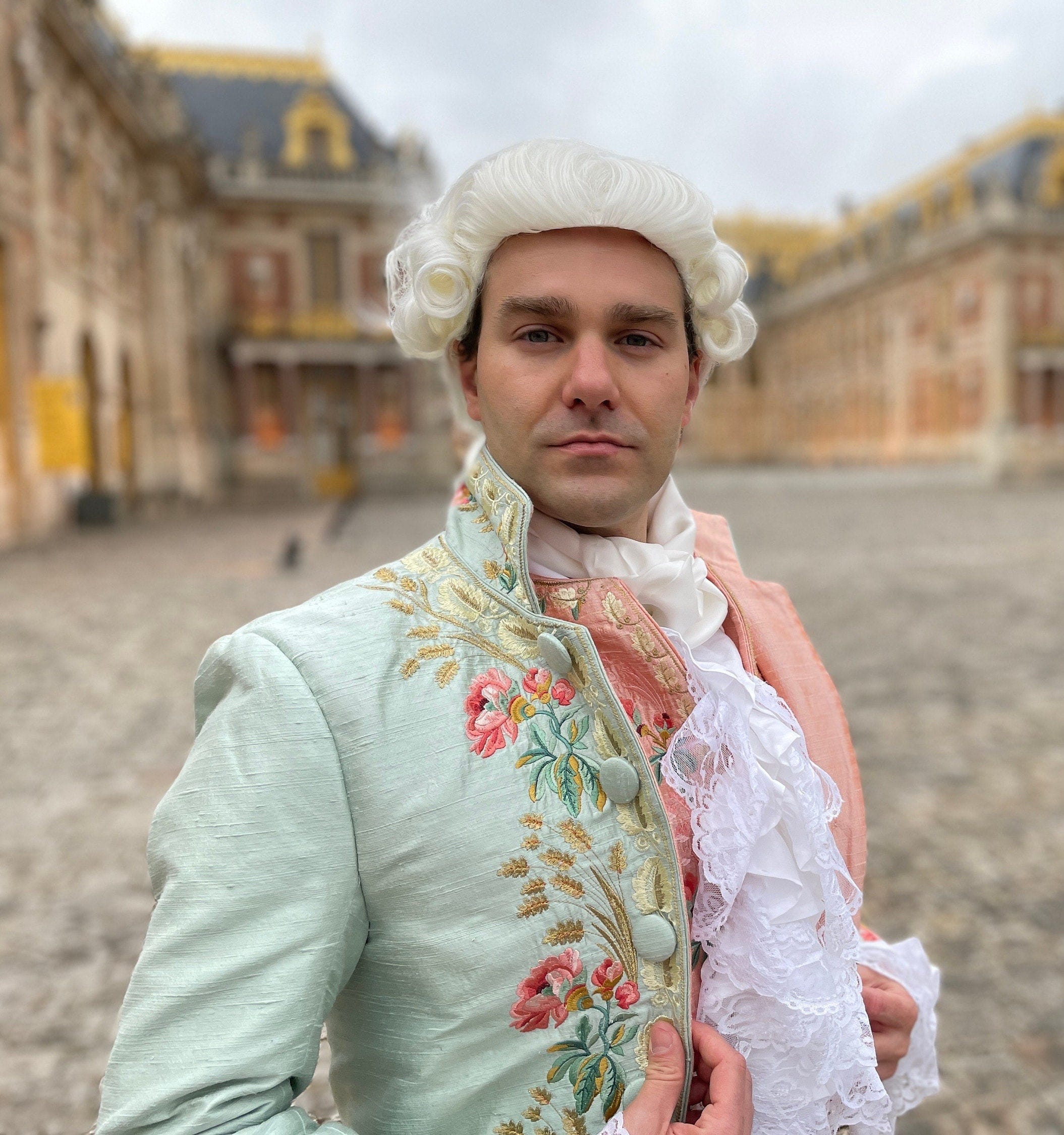
Homosexuality was not the focus of accusations of effeminacy; rather, cuckoldry was the insult of choice.
During this period from 1300 to 1800, when the aristocracy lost its warrior virtues, there was a tremendous growth of the European middle class. This class sought to emulate the aristocracy in seeking power, but also rejected perceived aristocratic tendencies in favor of bourgeois values. Our modern conception of “patriarchy” descends not from medieval or feudal aristocrats, but from these bourgeois middle classes.
aristocracy vs bourgeois.
The aristocratic concept of a good wife shifted significantly during Europe’s military transition. In the early medieval period, wives were chosen for political value, not because of their personality. To the extent that there was a concept of “marriage choice,” it mostly concerned physical appearance. With the Renaissance, as the royal courts of Europe became a center of patronage for art and science, female aristocrats came to be valued for their intelligence and education. The idea that “women shouldn’t be educated” or “shouldn’t know how to read or write” was alien to this period. Those sort of censorious attitudes were targeted much more at the lower classes than at women.
To make this point clear, if a 17th century aristocrat was asked, “Who is more intelligent? Your wife, or a peasant?” the answer would not be “patriarchal” or “sexist” as we would identify it today.
The bourgeois backlash against the aristocracy did not result in a collapse of women’s education. However, the Protestant middle class sought to distinguish itself on moral grounds.
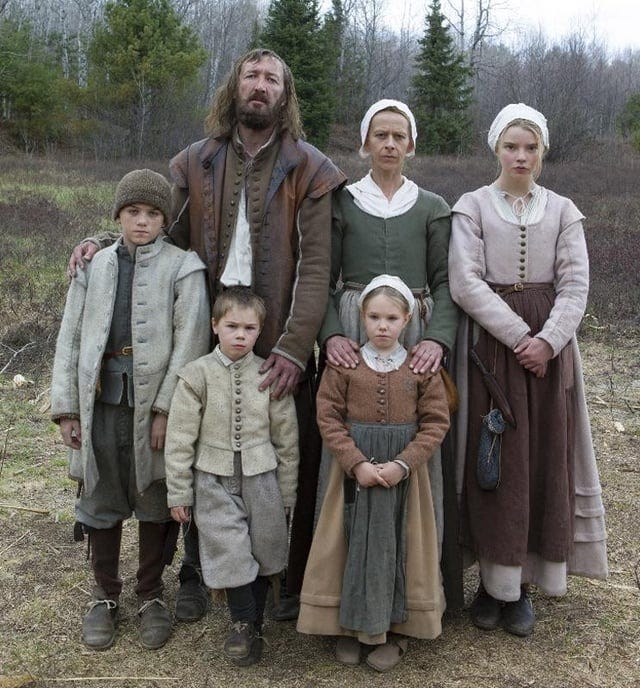
One of the ways that bourgeois values clashed with aristocratic values was in dress. Bourgeois Protestants intentionally dressed in grey, brown, and muted colors, without frills or anything impractical. This was meant to symbolize virtue, godliness, piety, humility, and a rejection of worldliness.
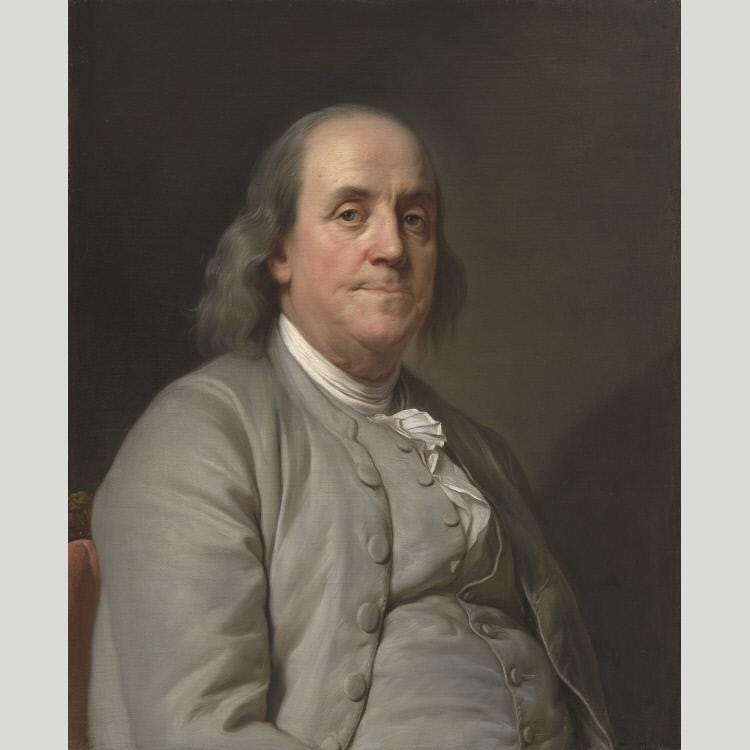
Even Benjamin Franklin, who enjoyed a libertine or degenerate sex life, understood his base of support as coming from a bourgeois culture, and chose at times to dress simply and modestly to appeal to that base.
the hardship thesis.
It is very difficult to maintain that “luxury breeds feminism” when all the advances of proto-feminism were buoyed up without any of the luxuries of the modern world: toilets (1775), phones (1849), cars (1866), movies (1895), air conditioning (1902), and central heating (1919) were all absent as feminism first developed.
Imagine freezing in the winter, huddled in front of a fire, sweating in the summer, being forced to wear a heavy dress, having nothing better to do with free time (if you had any at all) than to read a book by candlelight, having to travel slowly by horse drawn carriage (but mostly walking miles every day), and only being able to be friends with people in your immediate five mile radius, or maybe keeping a pen-pal by mail (which took weeks to be delivered). Does this sound like luxury?
It is impossible to maintain the idea that feminism developed out of patriarchy due to conditions of luxury, when all of the early and most important advances of feminism occurred during periods of relative hardship. When Jeannette Rankin was elected to congress in 1916, at the height of the Suffragette Movement, where was the luxury?
In 1916, many Americans could still remember the ravages of the Civil War, and the savagery of the genocidal Indian Wars. The KKK was reaching its most powerful period, when it influenced much of American politics. The “good times make weak men, weak men make feminism” thesis falls flat on its face. No — Civil War vets, genocidal imperialists, and KKK members made feminism!
first wave and third wave.
There is a clear distinction between feminism in 1916 and feminism in 2025. While feminists in 1916 merely argued for the same rights as men, feminists in 2025 demand the following:
Trans rights (or alternatively, a TERF war against trans men);
Gay rights;
Affirmative action for women;
Criminalization of sexual jokes;
Criminalization of sex in the workplace and military;
A ban on Leonardo DiCaprio-style age gap relationships;
Wars of intervention against “patriarchal regimes”;
Witch hunts against secretive, implicit, or hidden sexist agendas;
Exclusion of insufficiently feminist men from public life;
The spiritual castration of young boys, by shaming and guilting them for natural urges (rough housing, locker-room talk, bullying).
The purpose of this list is not to denounce feminism, or even to paint it in a bad light, but to highlight that feminists in 1916 would likely not recognize their descendants in 2025.
The shift between 1916-style feminism and 2025-style feminism allows for a second attempt at the “luxury” thesis. Perhaps feminism from the Renaissance to 1916 was not a “luxury” belief, and its occurrence must be blamed on other factors (such as the fall of the Catholic church). However, between 1916 and 2025, perhaps life really did get easier, and thus “luxury” gave rise to third wave feminism.
This is a much more convincing argument and deserves consideration. However, the reverse is not necessarily true: hardship will not reverse feminism. Instead, hardship has a good track record of increasing feminism.
The First and Second World Wars were periods of incredible hardship. Rationing, mass starvation, conscription, the Spanish Flu, genocide, aerial bombing, propaganda, shell shock, PTSD, and economic collapse swept through the continent. For years, people could barely afford the basic necessities, let alone “luxury.” Yet it was precisely during these two periods that feminism grew the most.
If the “luxury” thesis is to maintain any semblance of empiricism, it must delay its analysis until after 1946. This is easy to do for conservatives, since (like many liberals) they believe that God created the world in 1946, and have no deeper sense of history.
There is a good argument to be made that after 1946, life did indeed become significantly easier in Europe and America. At the same time, feminism exploded. In 1963, JFK signed the Equal Pay Act, which prohibited discrimination on the basis of sex. JFK intended to expand this with the Civil Rights Act, but due to a strong filibuster in the house, he was foiled. In 1964, Johnson succeeded where JFK failed, and sex discrimination was thoroughly undermined through national lawfare.
After 1980, however, life for the majority of Americans has not become more “luxurious,” despite the complaints of Boomers that “things were harder back in my day!”
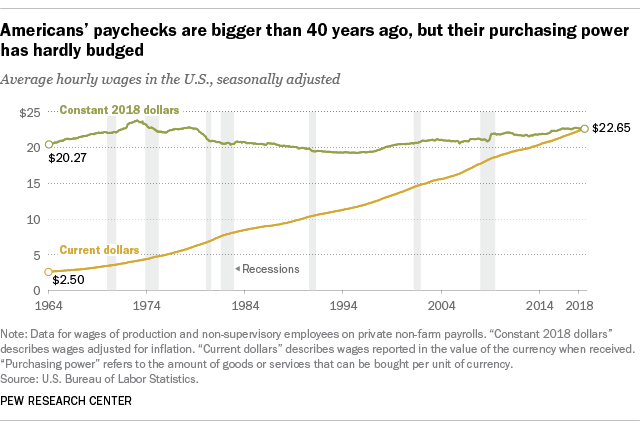
After adjusting for inflation, Americans in 2025 barely earn more than they did in 1964. This doesn’t take account long term unemployment.
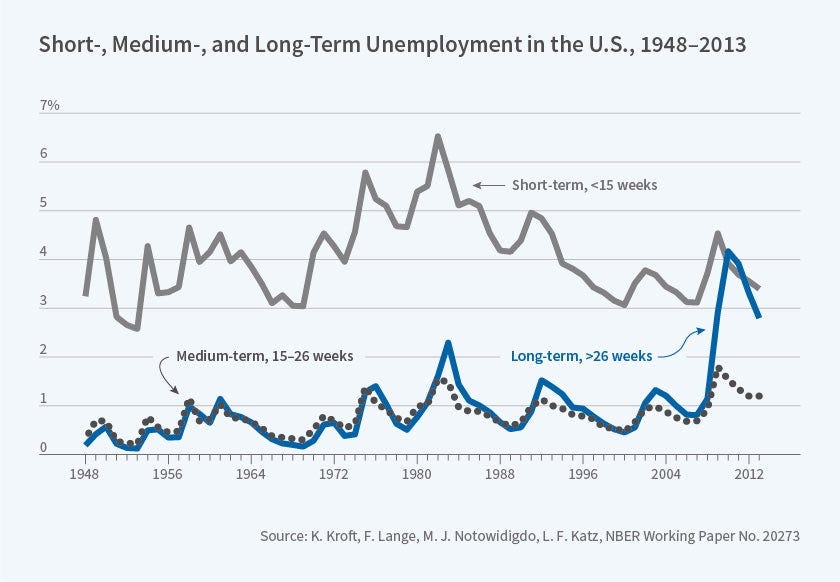
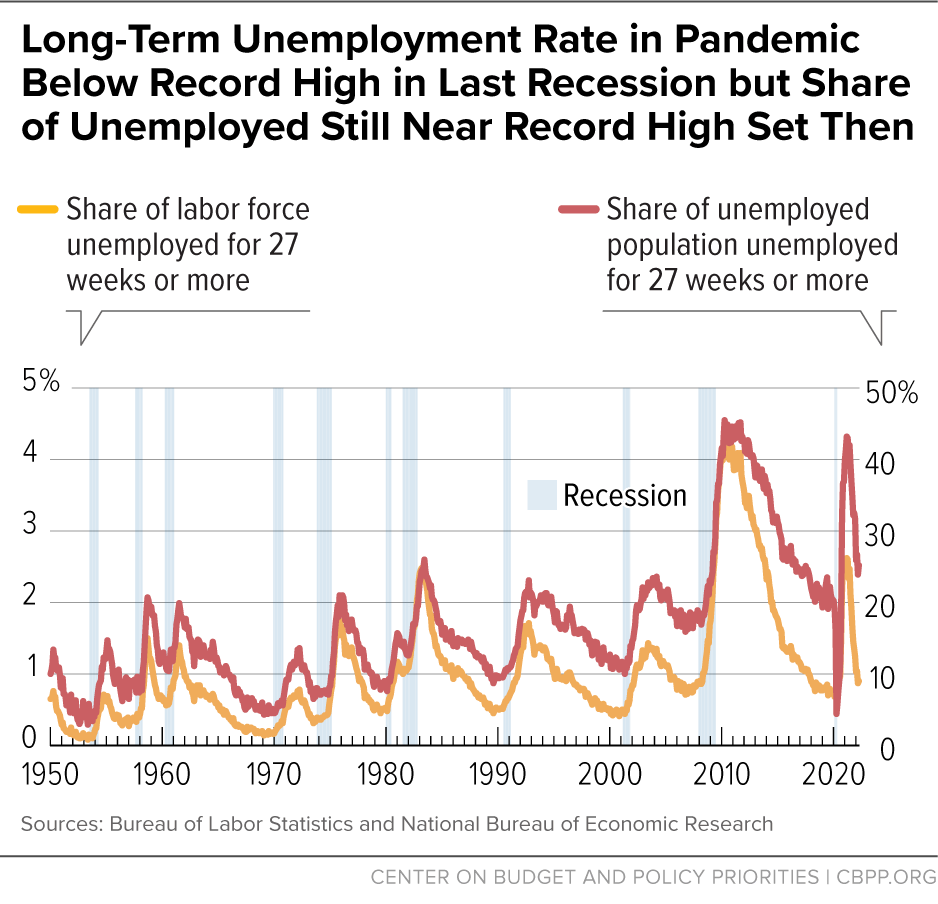
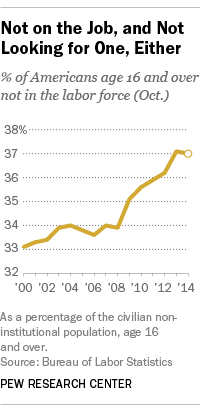
“Record low unemployment” has been the catch-phrase for both Trump and Biden, but this disguises the fact that unemployment is measured only in terms of those who are actively looking for work. People who are disabled, on welfare, homeless, addicted to drugs, mentally ill, living with their parents, incels, or engaged in criminal behavior may not be looking for a job, and aren’t counted. “Real unemployment” is simply not measured.
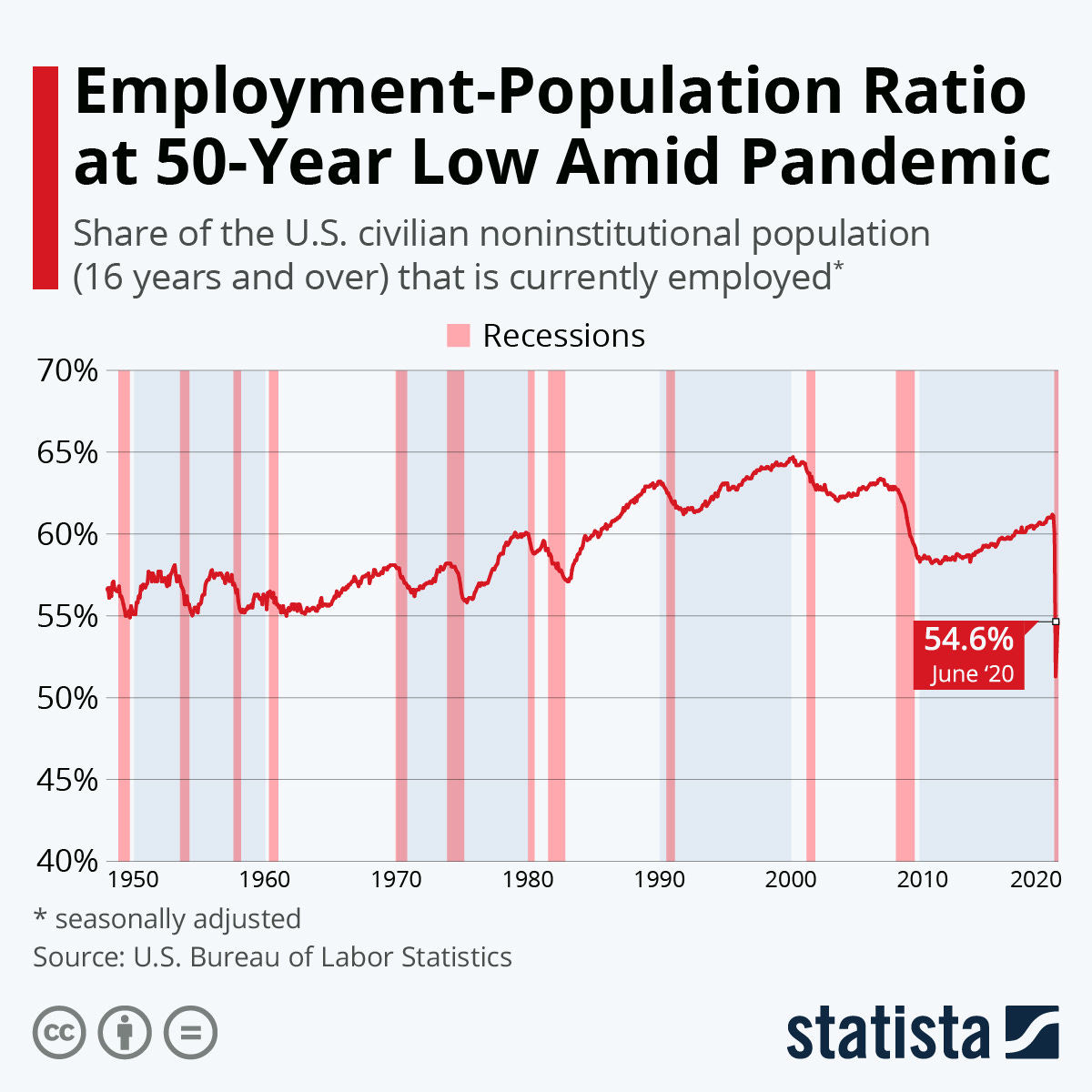
In order to figure out “real unemployment,” we have to look at “employment to population.” In 1950, only 55% of the American population was working. At its height, in 1998, that number approached 64%. Was the increase due to economic success? Or was it the fact that the percentage of women in the workforce increased from 34% to 60% over that time period?
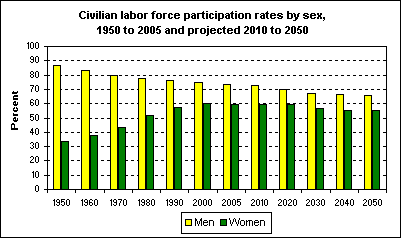
If we look purely at the male employment rate, it has dropped from 85% in 1950 to under 70% today. This is expected to drop further for both men and women. If average wages are stagnant, and real unemployment has been increasing for 70 years, how can we call this luxury?
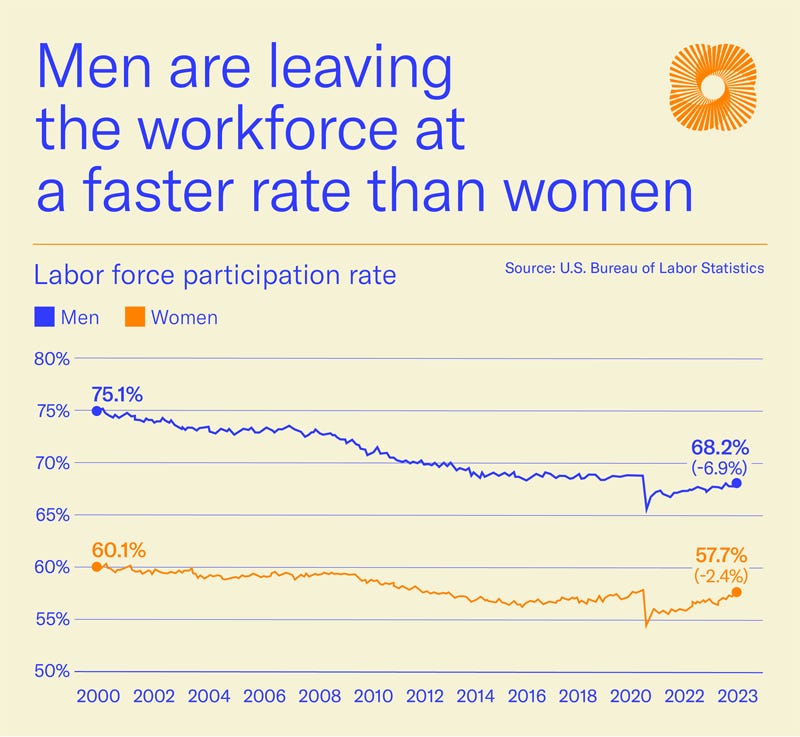
There is still an argument to be made that there is an illusion of luxury created by the internet, which allows peasants to entertain themselves and distract themselves from their poverty. It is also true that college degrees are becoming “participation trophies” as standards drop with grade inflation. Success in college is shifting away from selecting for intelligence and more towards ideological conformity.
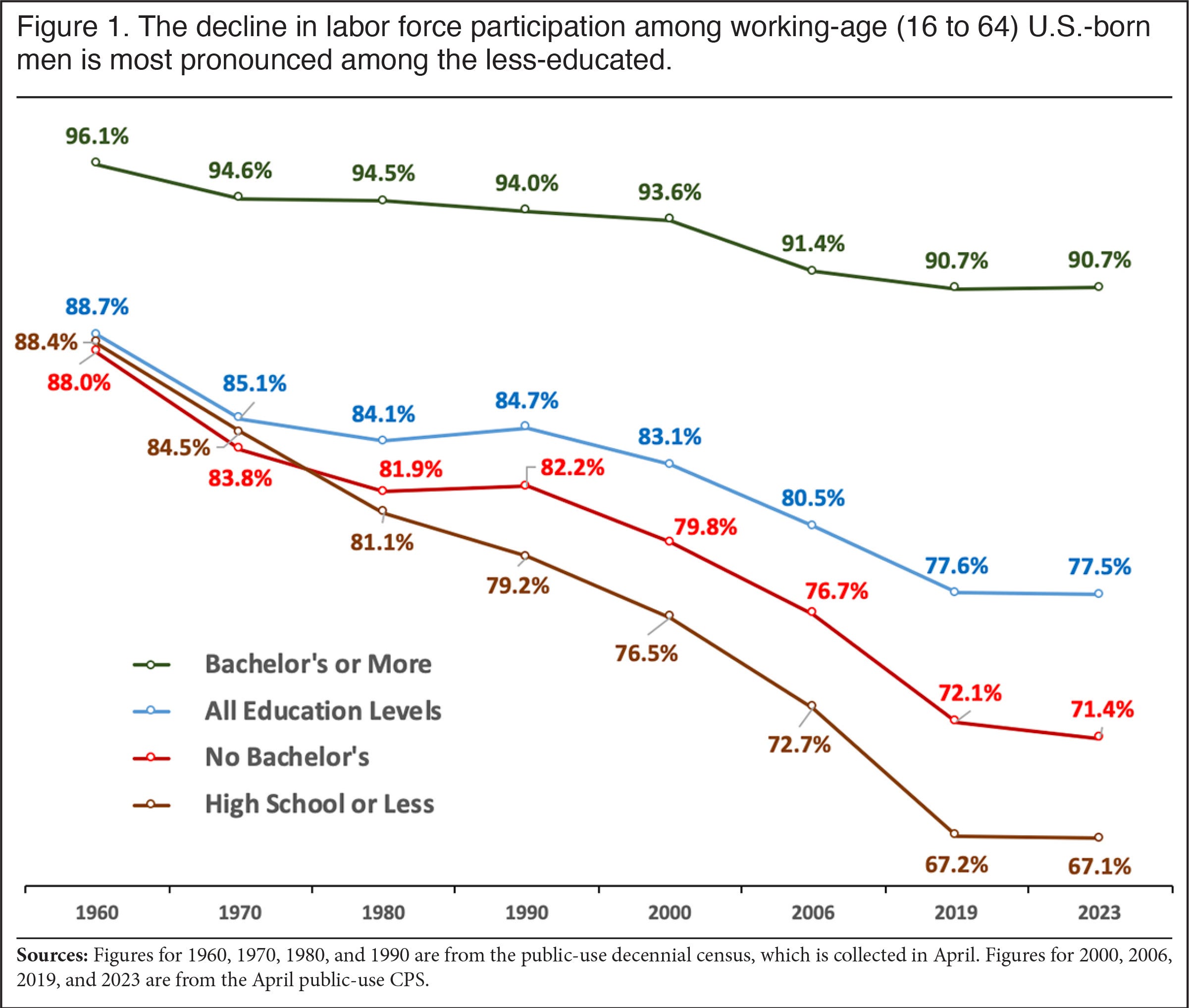
So yes, there does seem to be a correlation between “the illusion of luxury,” as created by academia and the media, and feminism. The question remains: what would happen in the event of another Great Depression? Would “woke” disappear overnight, as conservatives predict?
the next great depression.
In the 1980s, Japan was projected to become the world’s biggest economy. Its growth was exponential. It dominated technology, the fastest growing sector. All the experts claimed that Americans should start learning Japanese, to cope with their new overlords.
None of that came true. Instead, Japan entered a period of stagflation that it has never really recovered from. Rhe Japanese have simply stopped having babies to avoid the cost of childcare to maintain their standard of living.
Japan is a model of what happens to a country when its economic system does not collapse, but simply grinds to a halt. If the American economy stops growing, we should expect families to stop forming. This trend between the economy and family formation isn’t new: Weimar Germany, known for its high unemployment rate, had historically low fertility. The Nazis were not able to fix this: in 1935, fertility dropped to 1.77, and remained below 1.9 until the end of the war.
It was only during the German economic miracle, Wirtschaftswunder, that fertility began to rise. Between 1946 and 1965, fertility increased to 2.47. However, after 1965, Europe and America experienced a period of “disguised decline,” or the slow death of the middle classes with the outsourcing of industry to the third world and increased concentration of wealth in the 1%. The result was predictable: a fall in fertility.
This does not mean that a revival of western economies will result in a baby boom. The culture introduced by feminism is “sticky” and will remain even if economic conditions improve. Despite the claims of “hard times make strong men,” an economic depression would probably result in less babies, less families, and therefore, less conservative values.
Conclusion
Conservatives often look hopefully into the future as a period when “the pendulum will swing back.” They hear the siren call of Ron Paul, the end of the Fed, the fall of the dollar, the rise of China and Russia, and think this will result in a Renaissance for conservative values.
However, there is no data to suggest that poverty reverses feminism. America’s inner city ghettos are filled with Cardi B loving feminists, not conservative trad wives. West Virginia has plenty of single moms with blue hair, piercings, and tattoos, raising their kids to be trans. You can’t solve a religious problem like feminism with poverty. Hard times do not make strong men. Hard times make slaves, and slaves do what they’re told by the media.
Those seeking to resurrect conservative or religious values will not be successful unless they understand history. Bourgeois patriarchy is a very specific phenomenon which arose with the European middle class and evaporated with its peak and decline.
Outside of this narrow historical phenomenon, it is possible to pine for the days of “price and princess,” but such an understanding of masculine and feminine cannot be rebuilt with bourgeois morality. Princes, in the truest sense, cannot work an office job. A world of princes and princesses can only be sustained when the ruling class is preoccupied with the art of war, as was the tradition in ancient Greece, Rome, and in feudal Europe.
If we describe war as “hard times,” then yes, hard times reintroduce a form of “sexism” or differentiation of gender. However, not all hard times are created equal. An economic depression does not necessitate the return of warrior virtues. Instead, economic depression could maintain the peace as a form of neo-feudalism.
All of this means that religious and spiritual values do not change inevitably “like a pendulum.” A passive approach to politics is merely an excuse to enable wishful thinking. It is nothing more than a revenge fantasy without an active will pushing history forward.
In response to poverty, people dig in their heels to the status quo. Decreasing family sizes is a rational (if ignoble) response to increases in the cost of living, which has been empirically validated throughout the 20th century, as recently as during COVID in 2020. The third world is not a good model to draw a correlation between poverty and conservatism. Such a correlation can only be maintained by those who have never stepped foot in an inner city ghetto.
An active approach to politics necessitates a realization that spirituality is primary, and the inevitability of economic troubles will not, in itself, provide any spiritual impetus to change. Economic problems can present opportunities, but opportunities are only valuable when there is a vision ready to spring into action.
Whether or not the economy gets better or worse, in either case, it is the duty of each individual to deal with the decline of romance from an educated and spiritual point of view. Reducing all of human history to “luxury” beliefs and “back in my day” is intellectual laziness.
The irony is that the belief in “luxury beliefs” may itself be a “luxury belief.” When the economy crashes and the birth rate comes down with it, conservatives will be in for a rude awakening. The expected Christian revival, with traditional values, apple pie, and baseball may never come. Instead, a future Renaissance may assume a Greco-Roman character, with values alien to our own.
Thanks for reading.
If you enjoyed this, you can subscribe for free or support me with a paid subscription.
Paid subscribers get access to over 80 hours of paywalled interviews, as well as paywalled posts in the bonus section every month. You can help spread this article by liking, commenting, or restacking. Thank you!
The Franks founded the French aristocracy; the Anglo-Saxons and Normans founded the English aristocracy; the Lombards founded the Italian aristocracy. Alfonso X of Castile (after 1252) was considered to be king of Germany until he renounced his title to rule over Christian Spain. The ruler of Savoy (Italy) in 1720 was Victor Amadeus II, the son of the German emperor.
Exceptionally well-argued! The pendulum theory is such lazy thinking, and your point about WWI/WWII-era feminism growth totally dismantles it. I remeber debating this with conservatives online who kept insisting economic colapse would 'fix' everything, but the data on male employment rates dropping since 1950 really shows how their nostalgia blinds them. The section on hidden unemployment vs reported unemployment was particularly eye-opening.