In my last alternative history challenge, I tried to figure out how Germany could win WWII. My conclusion is that the war was lost mostly because Germany lacked logistical capacity relative to its opponents. It was unable to deny its opponents the ability to transfer resources, and it lacked access to resources itself.
Half of this had to do with the inferiority of the German navy, and its inability to capture key ports (Reykjavik, Las Palmas).
The other half had to do with a hesitance to commit troops to the African theater (Gibraltar and Suez)
The conventional wisdom on WWII is that Germany should have built more submarines and tried to sink more tonnage, but this was a silly strategy. It’s sort of like leaving the door to your house open, and cockroaches are walking in, and thinking that what you really need is “more cockroach spray” rather than just closing the damn door. Submarines are the spray, while the door is control of ports and chokepoints.

Instead, the German navy should have built up its surface fleet so that it could control the Canary Islands and Iceland. From there, the German fleet could have established a blockade against England, which would have won the war. Of course, this also necessitates a sufficient number of submarines to patrol and enforce the blockade — the German navy was probably too small either way.
Taking this logic further, we can blame the small size of the German navy on the fact that it was far behind France and England in the colonial game. The Prussians attempted a small colony in Africa in 1682, but this was too little, too late. They ended up selling it to the Dutch.
So, how do the Germans avoid this fate of having a perpetually small navy? The first thing they need to do is avoid losing control of the Netherlands, and keep that area loyal to the crown.
1. Be Nice to the Dutch
In our timeline, Dutch Calvinists had achieved effective independence in in the Union of Utrecht (1579). This was a disaster for the HRE, because it deprived the German state of its most important province. The Dutch would go on to control New York, establishing overseas colonies in Indonesia and Cape Town, South Africa. By losing Holland, the HRE sealed its fate as a continental power, with no opportunity to play in the “great game” of colonization.
The reason why the Dutch became alienated from the empire is that Philip II was a hardcore Catholic, and he put his personal faith before political expediency. This is where our alternative timeline begins.
In 1577, instead of waging costly and expensive wars with the Dutch, Philip comes to a compromise. He declares an Edict of Toleration. This quiets Dutch nationalists, and re-integrates them. The Spanish Catholics are pissed off, but they can be suppressed.
2. Mix the Languages
How could the German Reich work with the Dutch, despite the fact that German and Dutch are different languages?
Well, historically, up until 1603, Scotland and England spoke different languages. It was only after the political union of Scotland and England that Scottish English arose. Similarly, in the Protestant Reich, Dutch would be phased out in favor of “Netherlands German,” a fusion of the two languages that would result in a “Dutch accent” sounding much more Low German. This would eliminate the linguistic and national separation between the two.
3. Stop Caring about the Turks
Next up in our timeline is 1595. The Pope has declared a crusade against the Ottomans. The Holy Roman Emperor, Rudolf II, signs on to the crusade. It leads to the Treaty of Vienna (1606), which is a failure for the Holy League.
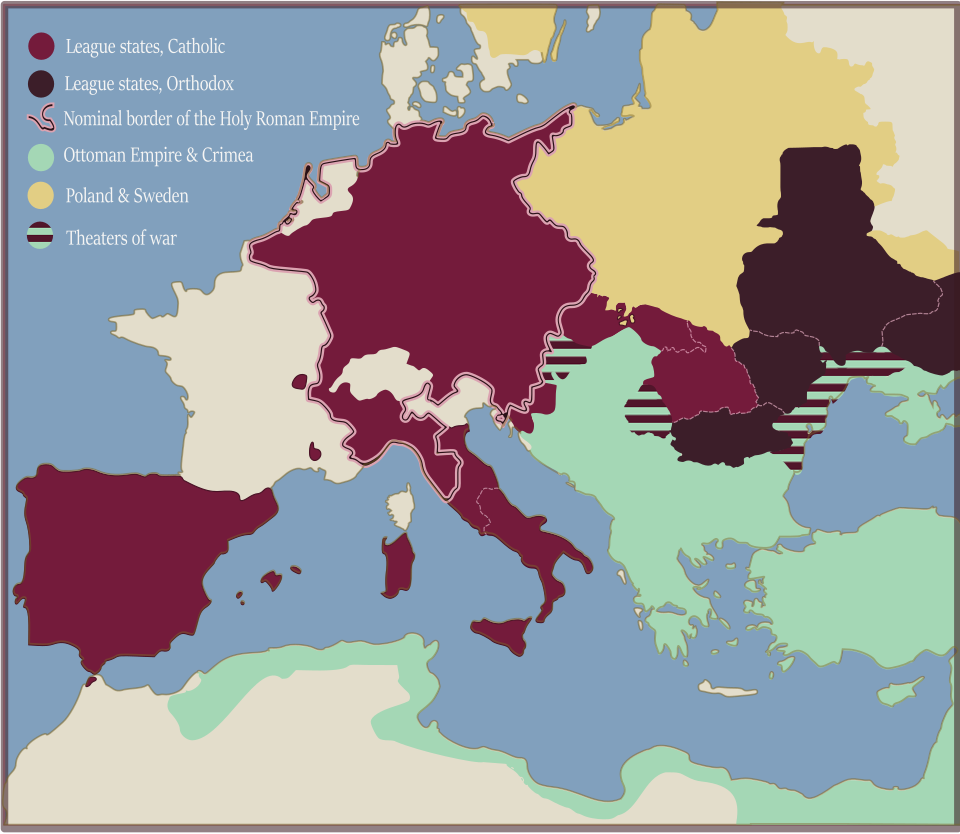
The whole business was simply retarded. The Ottomans were overstretched in the Balkans; they did not have the capacity to launch further offensives into the HRE. They faced multiple revolts. There was no reason for the HRE to concern itself with defeating the Ottomans.
Instead, in this alternative timeline, Rudolf II should have focused on the north.
Convert to Lutheranism, to strengthen ties with the Prussians, the Dutch, and the Swiss
If Catholics get uppity, utilize Dutch troops and Lutherans to squash any signs of a civil war
At worst, allow Catholic states in the south such as Bavaria their independence — let them fight the Ottomans alone, if that’s what they wish
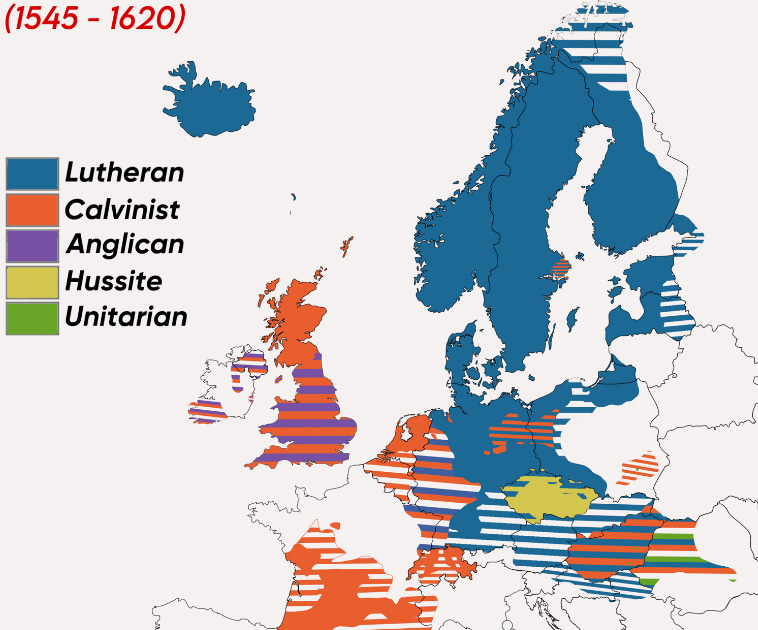
In our timeline, Calvinists dominated the most economically powerful parts of Europe: the blue banana, stretching from Switzerland to the Netherlands. Imagine if a German Emperor could maintain an alliance between these two wealthy states, both of which punched far above their weight in terms of their military prowess and economic might.
4. Beat Down the Catholics
With a Protestant Emperor in charge, the 30 Year’s War will still happen, but this time, the Emperor is on the side of the Protestants. In the alternative timeline, the war ends much more decisively in favor of the Protestants, because they have establishment legitimacy on their side. It is during this period that sovereignty over the Netherlands transfers from Spanish to German hands.
Non-Zionism has a good article on this, where he basically says, “the best way to reduce casualties in war is to support the stronger side over the weaker side.” The Protestants were the stronger side, but they were handicapped by the Catholicism of the emperor. By switching the allegiance of the emperor, the killing would stop much more quickly, which would preserve the power of the emperor at the expense of the Catholic Church.
In other words: Catholicism destroyed Germany’s ability to be a great naval power of the 17th century.
In our timeline, the 30 Year’s war turns into a 8 year war from 1618 to 1626. After putting the Catholics in their place, Germany invests heavily in New Netherlands.
5. Support New Netherlands
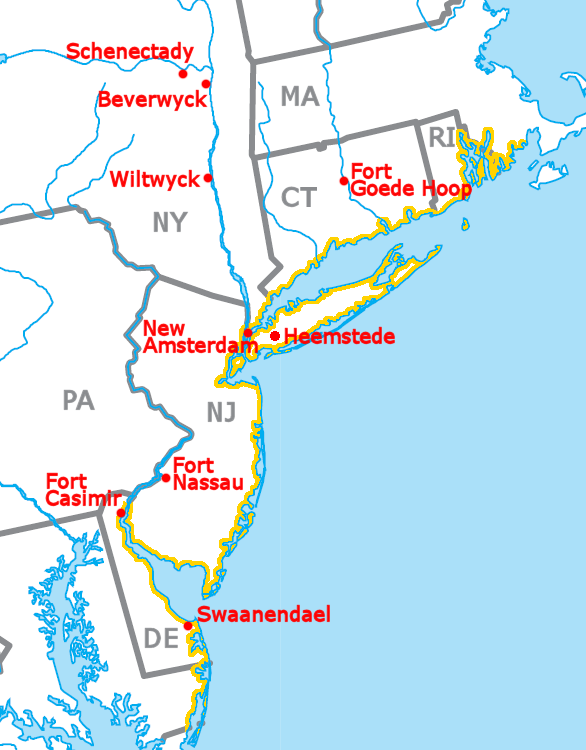
In our timeline, the Dutch set up a colony called New Netherlands, centered on New York City. It was taken from the Swedish in 1655. The Dutch lost it to the English in 1674. In our new timeline, the Dutch never lose it, because they have the full might of the Holy Roman Empire defending them.
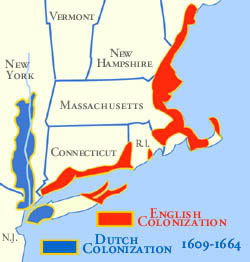
By maintaining a firm grasp over New Netherlands, the Germans would have controlled New York. Rather than losing out to the English, the Germans could have reinforced New York. With New York as their stronghold, they could then conquer Connecticut and New Jersey, to cement their presence in North America.
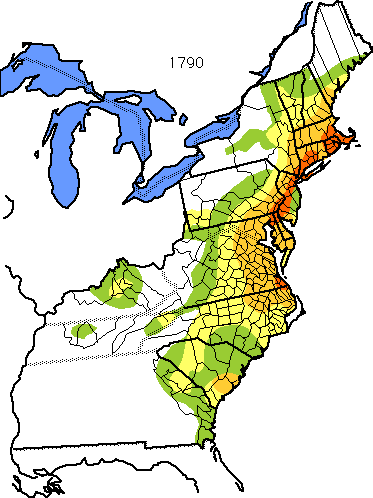
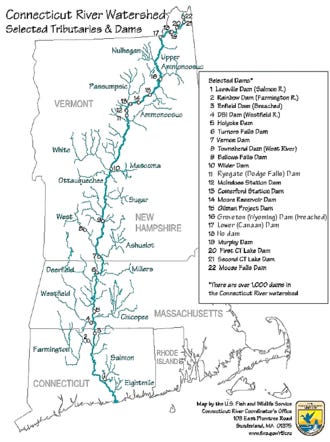
With control of Connecticut and New Jersey, the Germans would have controlled the majority of the densely populated area of colonial America. From this launching point, they could have expanded westward toward Pittsburgh and Buffalo. The Connecticut River would serve as the boundary between New England and New Germany.
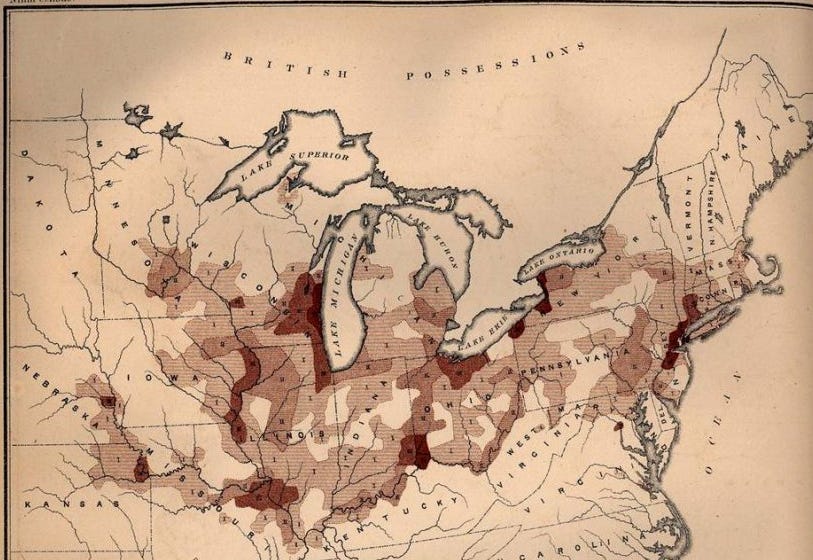
Meanwhile, the English would concentrate on defending Boston, Canada, and the southern colonies. Here’s what the actual census looked like in 1870, with the darkest shade of purple signifying a German percentage over 15%: